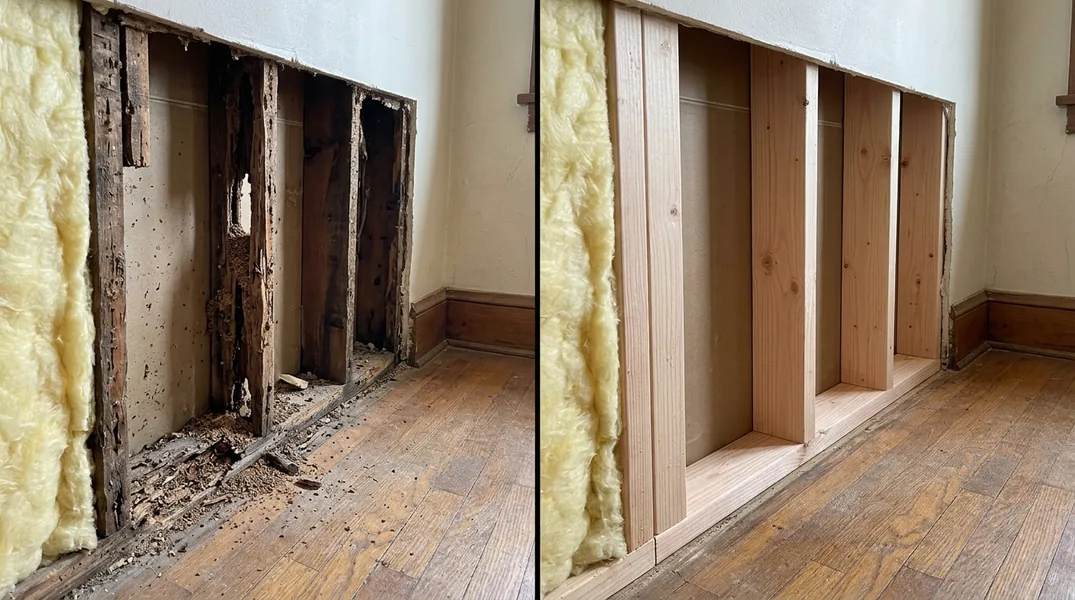
Understanding Ice Dam Damage in Spokane Winters
Winter in Spokane brings stunning snow-covered landscapes, but it also brings a common threat to homes: ice dams. Ice dams form when snow melts on your roof due to heat escaping from your attic, then refreezes at the cold eaves. This creates a barrier that traps water, forcing it to back up under your roof shingles and into your home's structure.
The damage from ice dams typically appears along your gutters, fascia boards, and soffit areas. You might notice water stains on your ceiling or walls, peeling paint on exterior trim, or visible icicles hanging from your roof edge. The key characteristic of ice dam damage is that it occurs suddenly during freeze-thaw cycles and is directly tied to specific weather events. If you notice water damage appearing after a heavy snow followed by warmer temperatures, ice dams are likely the culprit.
Ice dam damage can be particularly destructive because water infiltration happens quickly and can affect multiple areas of your home simultaneously. The moisture can seep into your attic insulation, compromise your roof deck, and damage the structural wood supporting your home's exterior. This is why addressing ice dam damage promptly is critical to preventing secondary problems like mold growth and wood deterioration.
What Does Dry Rot Look Like: Identifying the Signs
Dry rot is a fungal decay that attacks wood when moisture levels remain elevated over time. Unlike ice dam damage, which appears suddenly, dry rot develops slowly and can go unnoticed for months or even years. Understanding what does dry rot look like is essential for early detection and prevention of serious structural damage.
Visually, dry rot presents several telltale signs. Affected wood often appears darkened or discolored, ranging from brown to almost black in color. The wood surface may become soft and spongy to the touch, and you might notice it crumbles or crackles when you press on it. In advanced stages, dry rot can cause wood to shrink and develop deep cracks in a distinctive cube-like pattern. You may also notice a musty, earthy odor near affected areas, which indicates active fungal growth. Unlike wet rot, which appears wet and slimy, dry rot wood feels relatively dry on the surface while being compromised internally, which is how it earned its name.
The location of dry rot often provides clues about its cause. It commonly appears in areas with poor ventilation, chronic moisture exposure, or inadequate drainage. Fascia boards, soffits, window frames, and areas around gutters are frequent trouble spots because they're exposed to weather and moisture accumulation. If you spot any of these visual indicators, it's time to get a professional assessment before the decay spreads further into your home's structural components.
Wood Rot vs Water Damage: Key Differences
Homeowners often confuse wood rot with general water damage, but they're distinct problems requiring different solutions. Understanding the difference between wood rot vs water damage helps you communicate effectively with contractors and understand the scope of repairs needed.
Water damage is the immediate result of moisture exposure. When water enters your home through leaks, ice dams, or flooding, it soaks into wood and other materials. Fresh water damage appears as dark staining, swelling, or warping of wood fibers. The wood may feel soft or spongy initially, but if dried out quickly, it can recover without permanent damage. Water damage is reversible if caught early and properly dried. However, if moisture persists for weeks or months, it creates the perfect environment for fungal growth, which leads to rot.
Dry rot is what happens when wood remains wet long enough for fungal spores to colonize the wood fibers and break down the cellulose structure. Once rot begins, the damage is permanent. The wood loses its structural integrity and cannot be restored to its original state. The key difference is timing and reversibility: water damage is immediate and potentially reversible, while rot is progressive and permanent. In Spokane's climate, where winter moisture and spring thaws are common, the transition from water damage to rot can happen relatively quickly if moisture isn't properly managed.
Fascia Damage: A Common Entry Point for Rot
Your home's fascia board is the horizontal trim that runs along the edge of your roof, just above the gutters. It plays a crucial role in protecting your home's structure, but it's also one of the most vulnerable areas for both water damage and rot. Understanding fascia damage is important because this single component can be the difference between a minor repair and extensive structural work.
Fascia damage often begins with ice dam problems. When water backs up behind ice dams, it saturates the fascia board and the wood structure behind it. If gutters are clogged or improperly installed, water can pool against the fascia, keeping it constantly wet. Over time, this chronic moisture exposure leads to fungal growth and dry rot. You might notice paint peeling or bubbling on your fascia, soft spots when you press on it, or visible discoloration that suggests water staining.
The danger with fascia damage is that it can compromise the structural integrity of your roof and soffit system. If rot spreads to the rafter tails or roof deck, you're looking at significant structural repairs. This is why catching fascia damage early is crucial. If you notice any signs of deterioration on your fascia boards, contact Spokane Carpentry for a professional assessment. Early intervention can prevent the need for extensive Wood Rot & Dry Rot Repair work down the road.
How to Distinguish Between Ice Dam Damage and Dry Rot
Since both ice dam damage and dry rot can affect the same areas of your home, knowing how to tell them apart is valuable. The timeline and appearance of damage are your best clues. Ice dam damage typically appears suddenly during or immediately after winter weather events. You'll notice water stains, dampness, or visible water intrusion that corresponds with a specific snow and freeze-thaw cycle. The affected area may still be wet or damp when you inspect it.
Dry rot, by contrast, develops over weeks or months and often appears in areas that aren't currently wet. The wood will be discolored, soft, and may show the characteristic cube-like cracking pattern. There won't be a recent weather event that triggered the damage. Instead, the rot indicates a long-standing moisture problem that has gone unaddressed. You might find dry rot in areas that had previous water damage that was never fully dried or in poorly ventilated spaces where moisture accumulates gradually.
Another key difference is the extent of damage. Ice dam damage is usually localized to specific areas where water backed up or leaked in. Dry rot, however, tends to spread along the grain of the wood and can affect a much larger area if left untreated. If you're unsure whether you're dealing with acute water damage from an ice dam or chronic rot from ongoing moisture problems, it's wise to get a professional evaluation. Spokane Carpentry can inspect your home and provide a clear diagnosis, ensuring you understand exactly what repairs are needed. Call (509) 351-9472 or request a free estimate today.
Prevention and Next Steps for Spokane Homeowners
The best approach to both ice dam damage and dry rot is prevention. For ice dams, ensure your attic is properly insulated and ventilated to minimize heat loss through your roof. Keep gutters clean and free of debris so water can flow properly. In severe cases, installing heated gutter cables or improving roof ventilation can help prevent ice dams from forming in the first place. For dry rot prevention, maintain proper drainage around your home's foundation, ensure gutters and downspouts direct water away from your structure, and address any roof leaks immediately.
If you've already discovered damage, don't delay in getting it repaired. Whether you're dealing with ice dam damage, active dry rot, or water damage that could lead to rot, the longer you wait, the more extensive and expensive repairs become. What starts as a small area of soft fascia can eventually compromise your entire roof structure if left unaddressed. The good news is that professional repair is straightforward when caught early.
If you're a homeowner in Spokane concerned about ice dam damage, dry rot, or water damage to your home's structure, Spokane Carpentry is here to help. Our team specializes in identifying and repairing all types of wood damage, from minor fascia repairs to major structural restoration. We'll assess your situation, explain exactly what you're dealing with, and provide you with a clear plan for repair. Contact us at (509) 351-9472 or visit our website to schedule your free estimate. Don't let uncertainty about your home's condition turn into costly damage. Let the professionals help you protect your investment today.
Looking for a professional carpentry contractor in Spokane? Spokane Carpentry responds fast for all your carpentry needs.
Get a Free QuoteOur services: Wood Rot & Dry Rot Repair · Termite Damage Repair · Floor Joist & Subfloor Repair