Why South Hill Craftsman and Browne's Addition Homes Demand Special Care
If you own a Craftsman bungalow on Spokane's South Hill or a Victorian gem in Browne's Addition, you already know these homes are architectural treasures. Built between the 1890s and 1920s, they feature hand-crafted details, solid wood construction, and character that modern homes simply cannot replicate. But that charm comes with responsibility.
These vintage homes were built with old-growth timber and materials that were chosen for durability, not convenience. However, decades of weather exposure, settling foundations, and changing moisture levels have taken their toll on many of these structures. The wood that once seemed indestructible is now vulnerable to rot, pest damage, and deterioration. Understanding the specific maintenance needs of your historic home is the first step toward preserving it for future generations while keeping your family safe and comfortable.
Understanding Wood Rot in Historic Homes: Dry Rot vs. Wet Rot
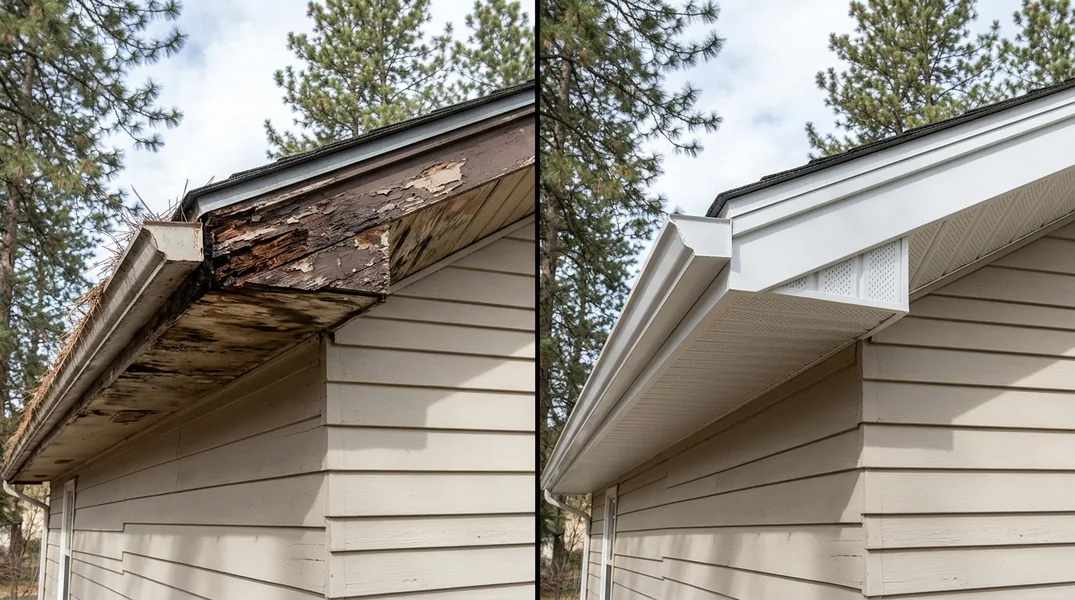
Wood Rot & Dry Rot Repair is one of the most common issues affecting older homes in Spokane. Many homeowners use the term 'dry rot' loosely, but understanding the difference between dry rot and wet rot is crucial for proper treatment. Wet rot occurs when wood is exposed to prolonged moisture, typically above 20 percent moisture content. It's common in basements, around plumbing leaks, and in areas with poor drainage. Dry rot, conversely, develops in wood with lower moisture levels but still requires some dampness to establish itself. It's particularly insidious because it can spread through wood rapidly and may not be immediately visible.
In Craftsman and Victorian homes, both types of rot commonly appear in similar locations: around window frames, where old caulking has failed; along the base of exterior wood siding; in attic spaces with inadequate ventilation; and in crawl spaces or basements with rising moisture. The key to catching rot early is regular inspection. Look for soft spots in wood, discoloration, a musty smell, or wood that crumbles when poked. If you notice any of these signs, it's time to call a professional. Ignoring rot doesn't make it disappear; it spreads, weakens structural integrity, and eventually becomes far more expensive to repair.
Wood Siding Repair and Restoration for Historic Charm
One of the defining features of South Hill Craftsman homes and Browne's Addition Victorians is their original wood siding. Whether it's lap siding, shiplap, or board-and-batten, this siding tells the story of your home's age and craftsmanship. Unfortunately, it's also one of the first places where weather damage and rot appear. Wood siding repair isn't just about aesthetics; it's about protecting the structural frame beneath from water infiltration and decay.
The challenge with historic wood siding repair is balancing preservation with practicality. Some homeowners want to maintain 100 percent original materials, while others prioritize durability and ease of maintenance. Both approaches are valid. If you choose to restore original siding, you'll need boards milled to match the original profile, careful paint removal (potentially lead paint, so professional handling is essential), and skilled carpentry to replace damaged sections seamlessly. If you opt for modern alternatives, you can achieve a historically appropriate appearance with engineered wood or fiber cement products that require less maintenance while still honoring your home's character.
The most common siding damage we see includes rotted corner boards, damaged fascia, and deteriorated sill plates where the foundation meets the wall. These areas trap moisture and become breeding grounds for rot and insects. Addressing these spots promptly prevents cascading damage to the framing behind the siding, which is far more costly to repair.
Craftsman Built-Ins Restoration: Preserving Interior Character
Step inside a South Hill Craftsman home, and you're likely to encounter one of its greatest assets: built-in cabinetry, bookshelves, window seats, and decorative woodwork. These features were often custom-built by the original craftspeople and represent significant craftsmanship and value. Unfortunately, they're also vulnerable to the same moisture and pest issues that affect the exterior. Craftsman built-ins restoration requires both technical skill and an understanding of historical construction techniques.
Built-ins often suffer from water damage due to leaking windows, roof leaks, or plumbing issues above them. You might notice the finish becoming dull or cloudy, wood swelling, or in severe cases, soft spots where rot has begun. The good news is that many built-in restoration projects can be completed without full replacement. Skilled carpenters can carefully remove damaged sections, splice in matching wood, and refinish the piece to blend seamlessly with the original. This approach preserves the authenticity and value of your home while addressing the underlying damage.
The key to protecting built-ins is preventive maintenance. Keep windows properly sealed and caulked, address roof leaks immediately, and ensure that any plumbing or HVAC work doesn't compromise the integrity of the surrounding woodwork. If you do notice damage, don't wait. Early intervention makes restoration far simpler and more affordable than dealing with extensive rot that has compromised the structural integrity of these beautiful features.
When Foundation and Structural Issues Arise: Floor Joists and Beams
Historic homes often develop foundation settling and structural movement over time. This can lead to sloping floors, cracks in plaster, and most critically, damage to the wooden structural elements supporting your home. Floor Joist & Subfloor Repair becomes necessary when rot, pests, or structural failure compromises these load-bearing elements. Similarly, if you've ever considered opening up a wall to create an open-concept living space, you may need Beam Replacement & Load-Bearing Wall Removal to safely redistribute the load your home carries.
These structural repairs are not DIY projects. They require engineering calculations, proper permits from the city of Spokane, and skilled installation to ensure your home remains safe and stable. Attempting to cut corners or hire inexperienced contractors for structural work can result in catastrophic failure and liability issues. If you suspect structural problems, the first step is to have a professional inspection. Many issues that seem dramatic are actually manageable with the right approach and experienced hands.
Creating a Maintenance Plan and Getting Professional Help
The honest truth about owning a historic Craftsman or Victorian home is that regular maintenance is not optional. It's the difference between enjoying your home for decades and watching it deteriorate. A good maintenance plan includes annual inspections of the roof, siding, windows, and foundation; prompt attention to any leaks or water intrusion; regular gutter cleaning; and addressing small problems before they become big ones.
If you're facing wood rot, siding damage, built-in restoration, or structural concerns, don't hesitate to reach out to Spokane Carpentry. We specialize in historic home repair and understand the unique challenges that South Hill Craftsman and Browne's Addition Victorian homes present. Our team can assess your situation, explain your options honestly, and provide a clear path forward. Call us at (509) 351-9472 or request a free estimate today. Your home is worth the investment in proper care.
Looking for a professional carpentry contractor in Spokane? Spokane Carpentry responds fast for all your carpentry needs.
Get a Free QuoteOur services: Wood Rot & Dry Rot Repair · Termite Damage Repair · Floor Joist & Subfloor Repair